Jean-Étienne Chermette
Fourth-generation family estate crafting benchmark Cru Beaujolais from some of the region’s most historic granite slopes, combining traditional Burgundian élevage with precision farming to express site, structure, and ageability.
SAINT-VÉRAND, BEAUJOLAIS, FRANCE
Benchmark Cru Beaujolais rooted in granite and tradition.
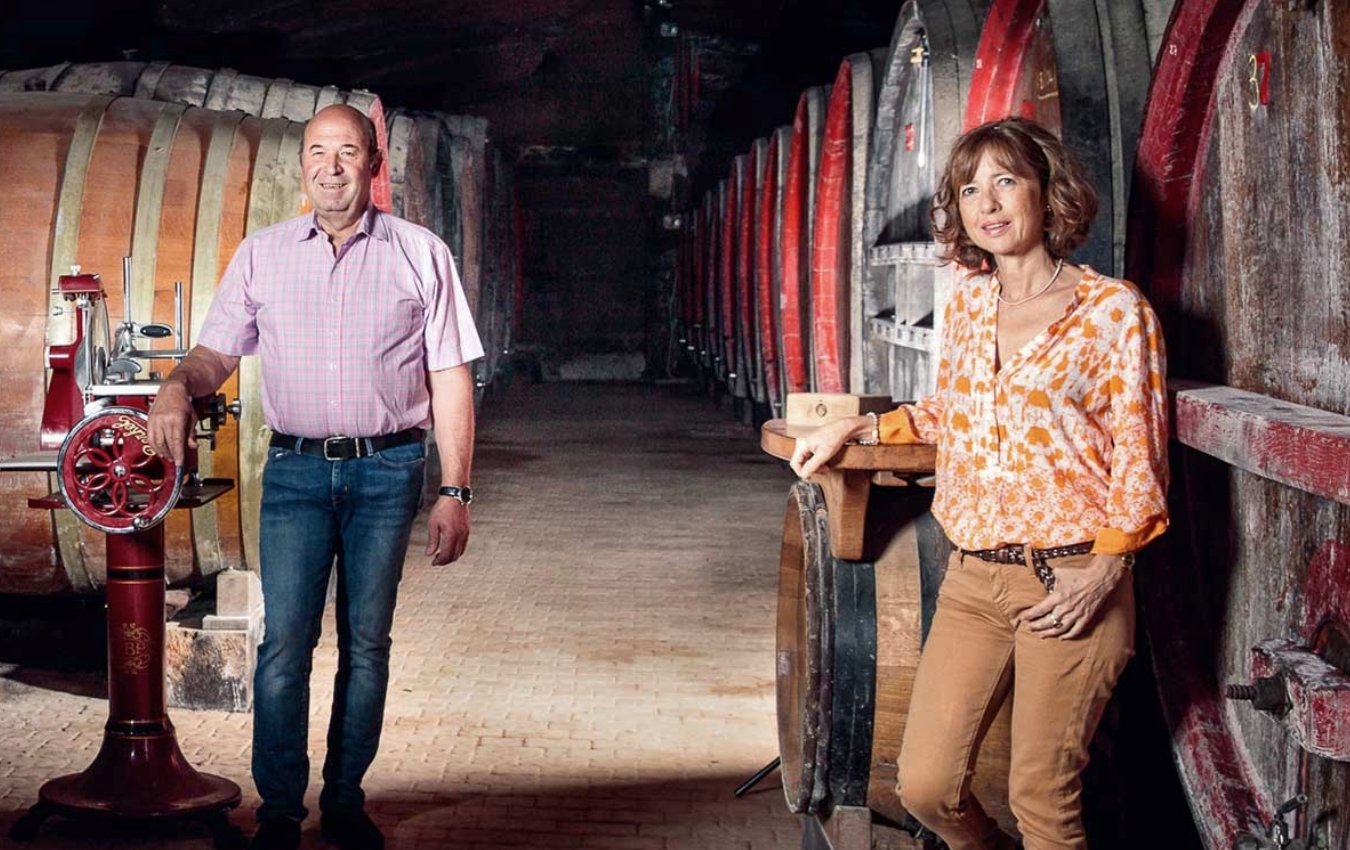
Domaine Chermette’s modern identity begins in 1982, when Pierre-Marie Chermette took over the family estate in Saint-Vérand and made a defining structural shift: moving from bulk wine sales to estate bottling, taking full control of farming, vinification, and commercial direction. This decision placed the domaine among a small group of growers in Beaujolais choosing independence and quality at a time when much of the region was oriented toward volume production and négociant sales.
By the mid-1980s, as Beaujolais Nouveau surged in global popularity—often driven by early harvesting and aromatic yeasts—Pierre-Marie explicitly rejected that model. The domaine’s own records note that while “banana-flavored” Nouveau styles were in fashion, Chermette chose traditional vinification without added yeasts, favoring longer élevage and wines bottled later, in the spring, rather than rushed to market. This was not a stylistic tweak, but a philosophical stance: to produce wines of place rather than wines of process.
Through the late 1980s and into the 1990s, Pierre-Marie and Martine Chermette further defined the estate’s trajectory by investing in cru vineyards—particularly in Moulin-à-Vent and Fleurie—well before the broader market reappraised their potential. At the time, southern Beaujolais producers were rarely associated with serious cru bottlings. Their move into these sites, rooted in granite and manganese-rich soils, reflected a long-term belief in Gamay’s capacity for structure and longevity. The domaine’s Moulin-à-Vent bottlings, often raised in large neutral oak and capable of aging a decade or more, became a quiet reference point for what Beaujolais could be beyond immediacy.
Independent trade commentary has since recognized these wines as benchmarks, citing old-vine material, native fermentations, and a consistent raising of quality standards dating back to the 1980s. What distinguishes Chermette within that context is stylistic clarity: where some contemporaries pursued a more radical, natural approach, Pierre-Marie maintained a classical framework—clean farming, traditional semi-carbonic maceration, and élevage designed to support structure rather than imprint flavor. The result is a body of work that aligns more closely with Burgundian thinking than with the extremes of either industrial Nouveau or later natural wine movements.
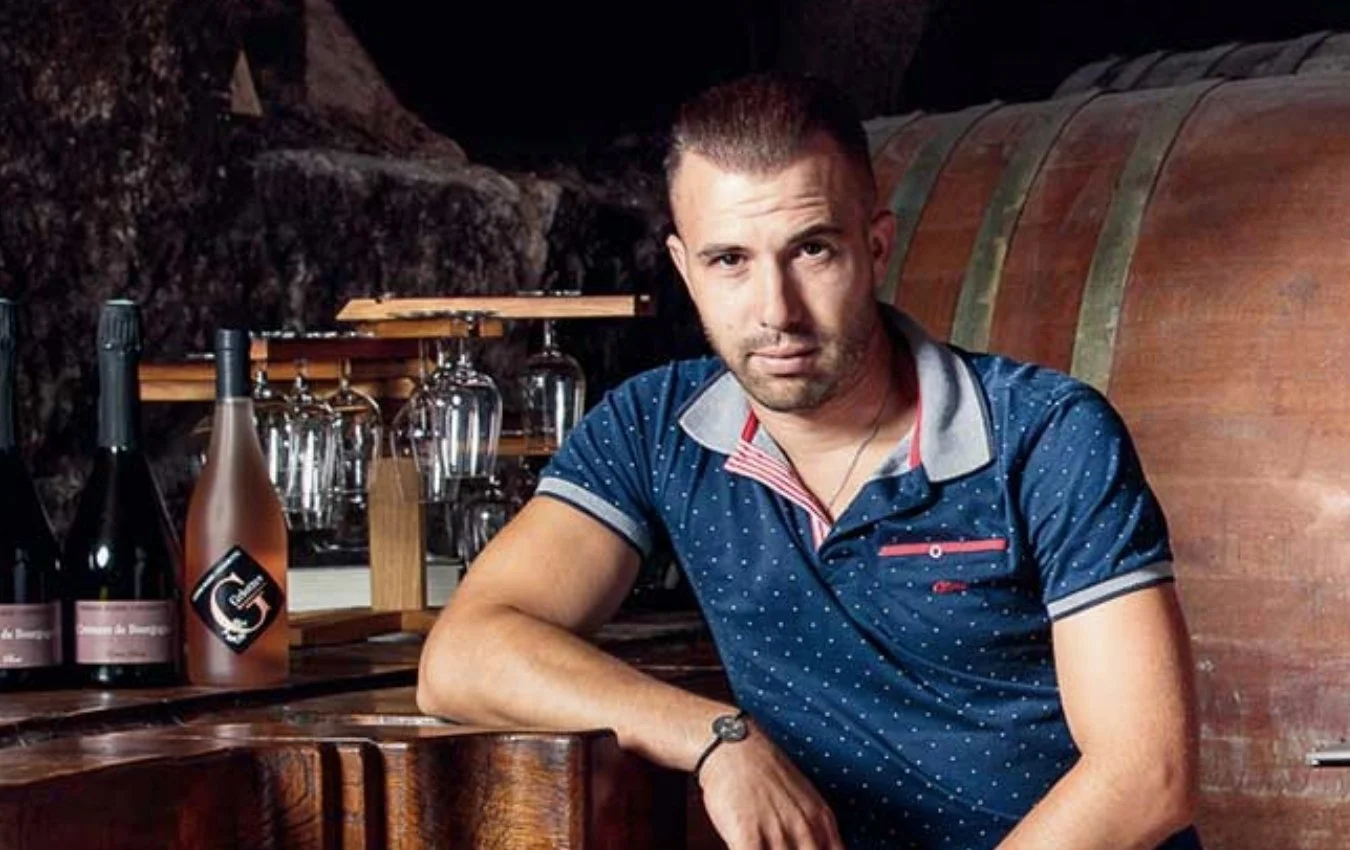
Jean-Étienne Chermette represents the fourth generation of this lineage and the continuation of that philosophy with greater precision and technical clarity. After formal studies in viticulture and oenology—followed by practical experience both within and outside the family domaine—he joined the estate full-time in 2017 and assumed leadership in 2023. His trajectory is not one of reinvention, but of refinement.
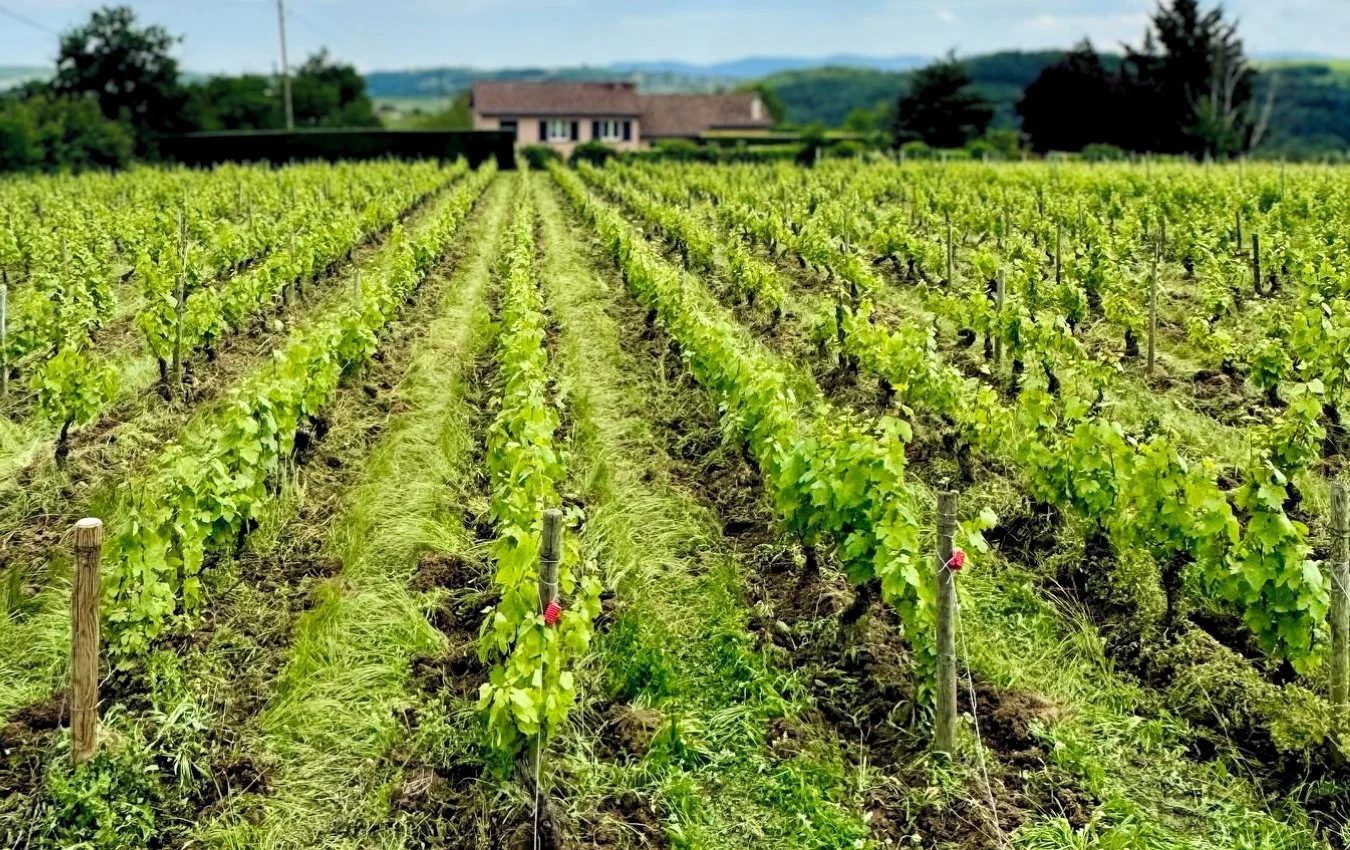
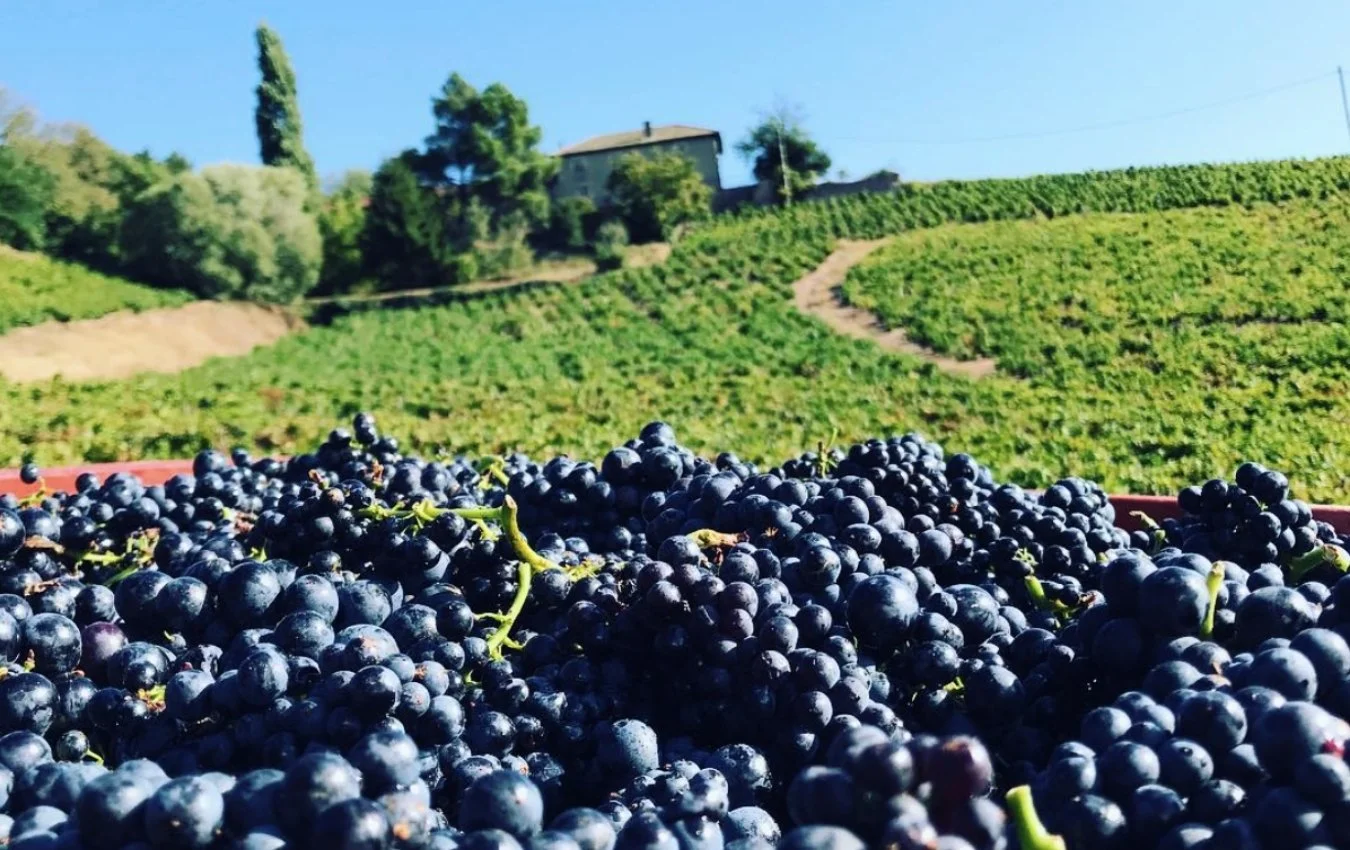
In the vineyard, Jean-Étienne has pushed further toward parcel-level understanding, fine-tuning canopy management, harvest timing, and soil work to preserve fruit integrity and site expression. Sustainable practices remain the foundation, with increasing attention paid to balance in the vineyard rather than correction in the cellar. In the winery, he has maintained the traditional base of semi-carbonic maceration while tightening extraction, temperature control, and élevage decisions to bring greater definition to each cru and cuvée.
Under his direction, the wines have gained in precision without losing their identity. Moulin-à-Vent retains its hallmark structure and aging potential, while Fleurie emphasizes aromatic lift and finesse. Across the range, there is a clearer articulation of site—granite expressed through tension and mineral line, rather than weight, paired with a consistent thread of drinkability.
What makes Domaine Chermette compelling today is not a shift in style, but the continuity of intent across generations. Pierre-Marie established a path during a period when Beaujolais risked losing its identity; Jean-Étienne is now sharpening that vision for a market newly receptive to serious, terroir-driven Gamay. The wines remain what they have long been: vibrant yet structured, approachable yet capable of evolution, and rooted in a philosophy that predates—and helped enable—the modern revival of cru Beaujolais.
Cuvées