
Clos du Calvarie
CHÂTEAUNEUF-DU-PAPE, RHÔNE VALLEY, FRANCE
One of the historic families of Châteauneuf-du-Pape, Clos du Calvaire unites generational heritage with certified organic, regenerative viticulture—crafting refined, site-driven wines from some of the appellation’s most storied terroirs.
Replanting Châteauneuf. Regenerating the future.
Founded in 1923 but rooted in family viticulture dating back to the 18th century, Clos du Calvaire stands among the longstanding names of Châteauneuf-du-Pape. Following the devastation of phylloxera in the late 19th century, Gratien Mayard, ignoring the issuance of his American passport, instead made the pivotal decision to remain in the region and replant his vineyards vine by vine. That devotion to land and legacy continues today.
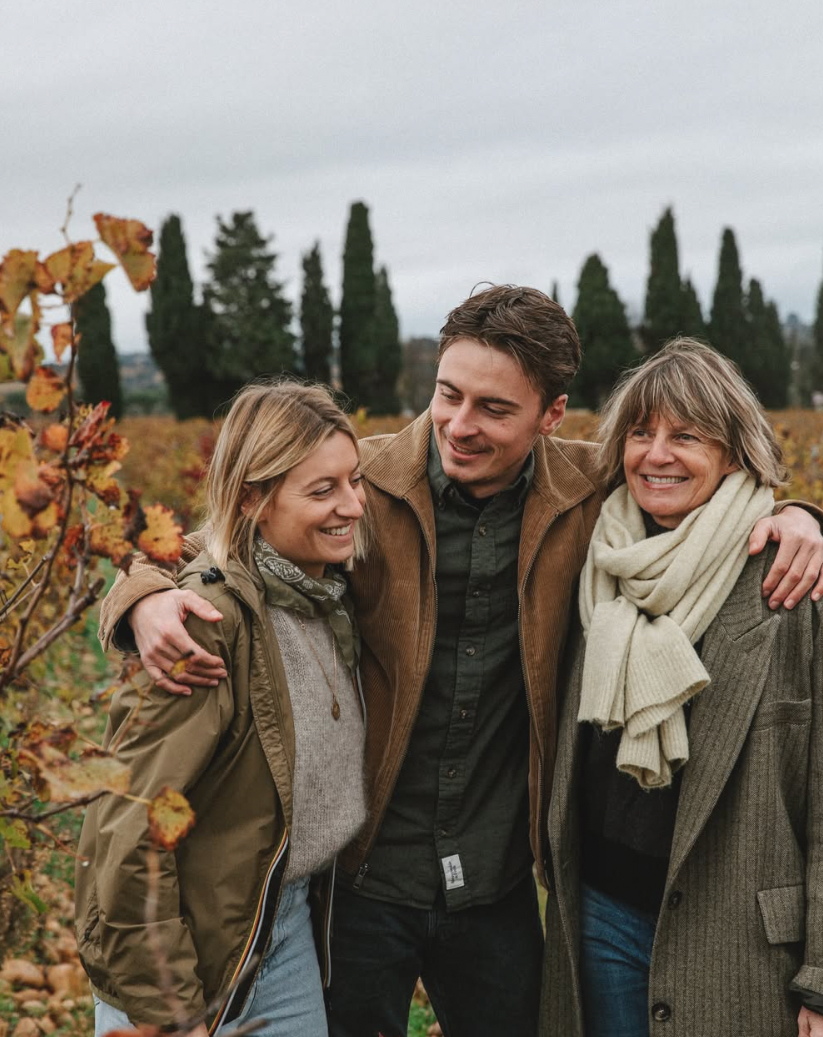
The modern chapter of the estate began in 2022, when the historic Mayard holdings were divided among siblings. Françoise Roumieux retained her share, forming Clos du Calvaire in its current incarnation, supplemented by additional leased parcels from her sister. Today, Nicolas and Coline have taken over, and their impact is immediately felt. Nicolas is a gifted young winemaker. His sister Coline, as well as helping shape the profile of the production, has an incredible eye for design that has transformed the brand identity of Clos du Calvaire into a modern classic in Chateauneuf-du-Pape.
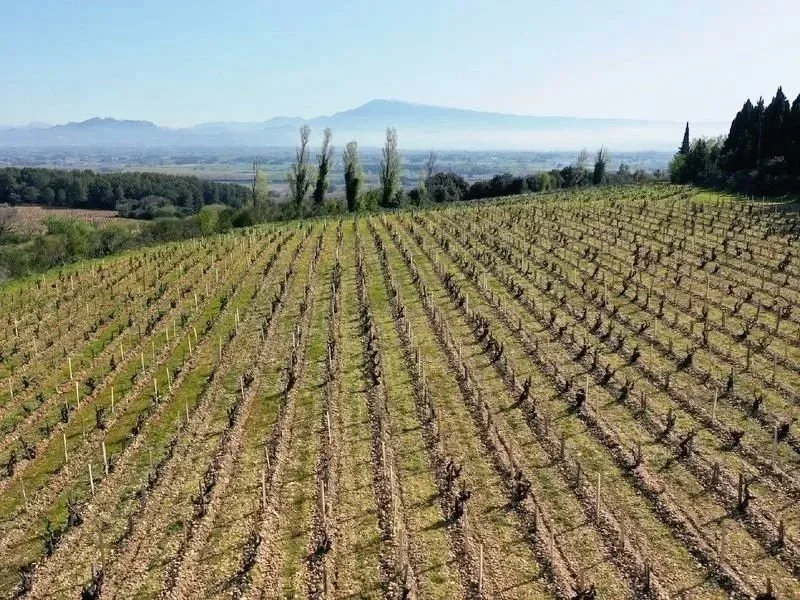
The estate farms approximately 30 hectares across more than two dozen parcels in the southern sector of the appellation, where galets roulés, sand, limestone, and clay create a complex mosaic of terroirs. Grenache dominates, including parcels of very old vines, complemented by Syrah, Mourvèdre, Cinsault, and traditional white Rhône varieties. Each parcel is vinified separately to preserve its individual character before blending—a philosophy that honors Châteauneuf’s patchwork identity.
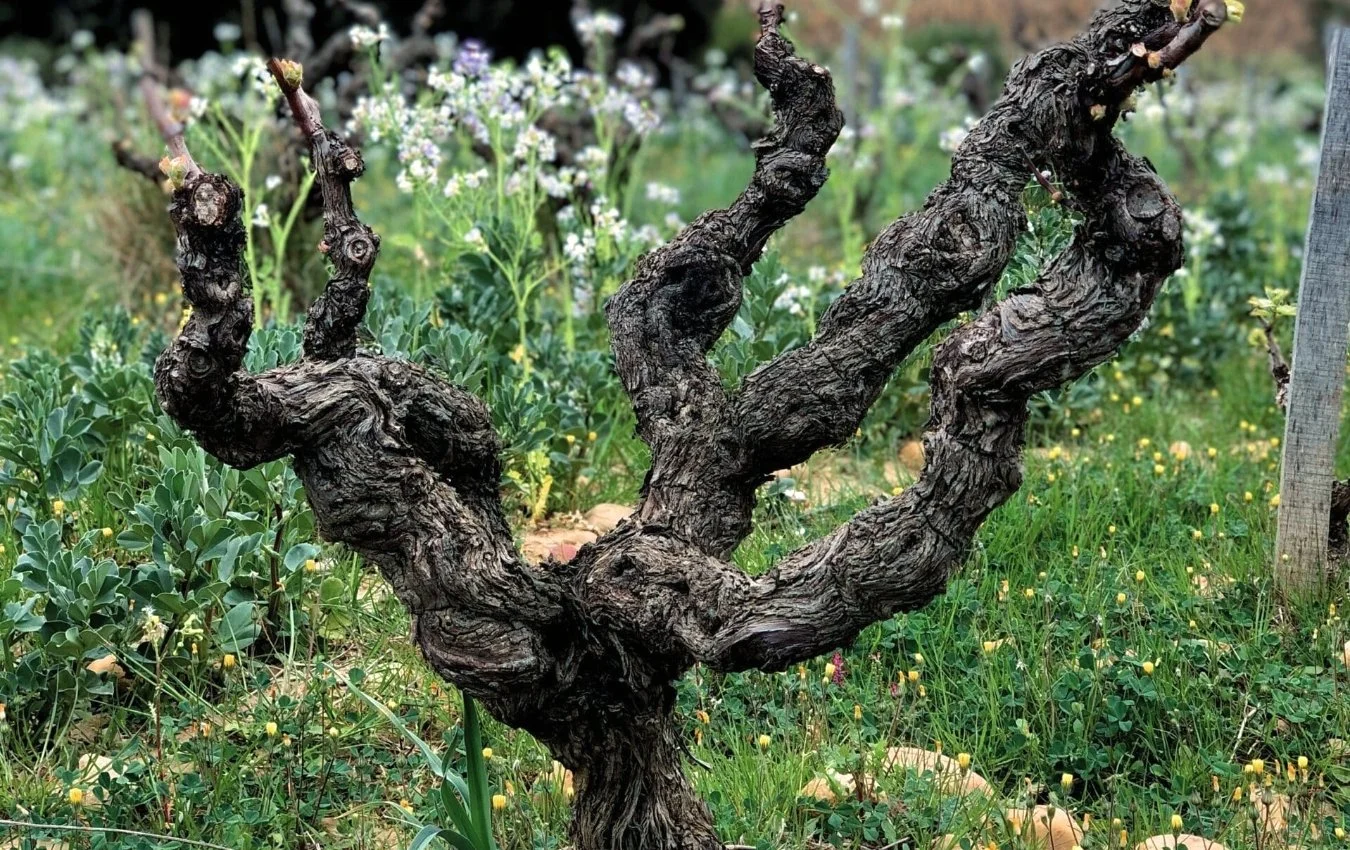
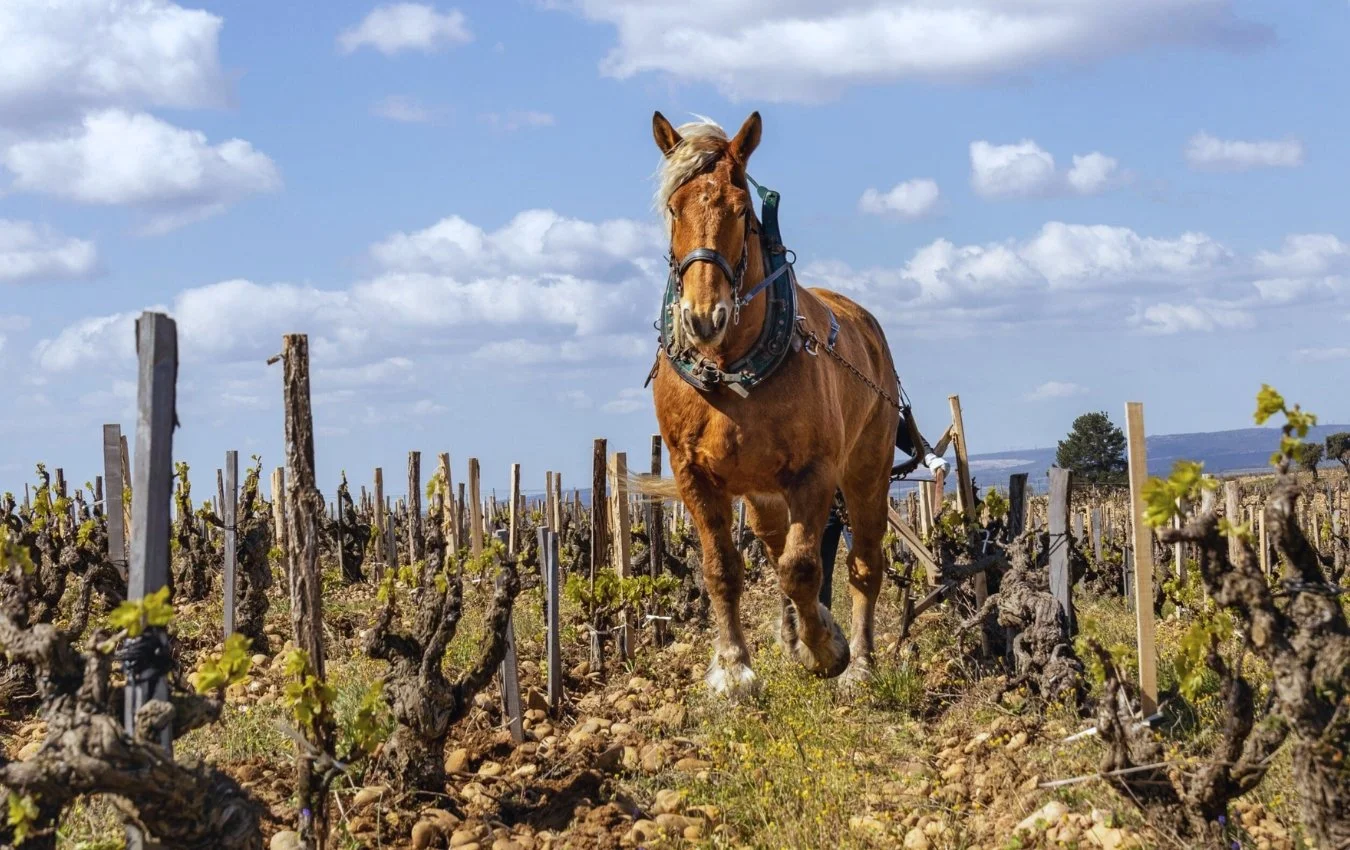
Organic conversion began in 2017, and certification was achieved in 2020. Since then, the family has embraced regenerative practices, eliminating tilling and encouraging diverse cover crops and wild vegetation between rows. Beneath the famed galets roulés lies a living ecosystem that improves water retention, moderates soil temperature, and slows ripening in increasingly warm vintages. The result is a remarkable lift and freshness in wines from a traditionally powerful appellation.
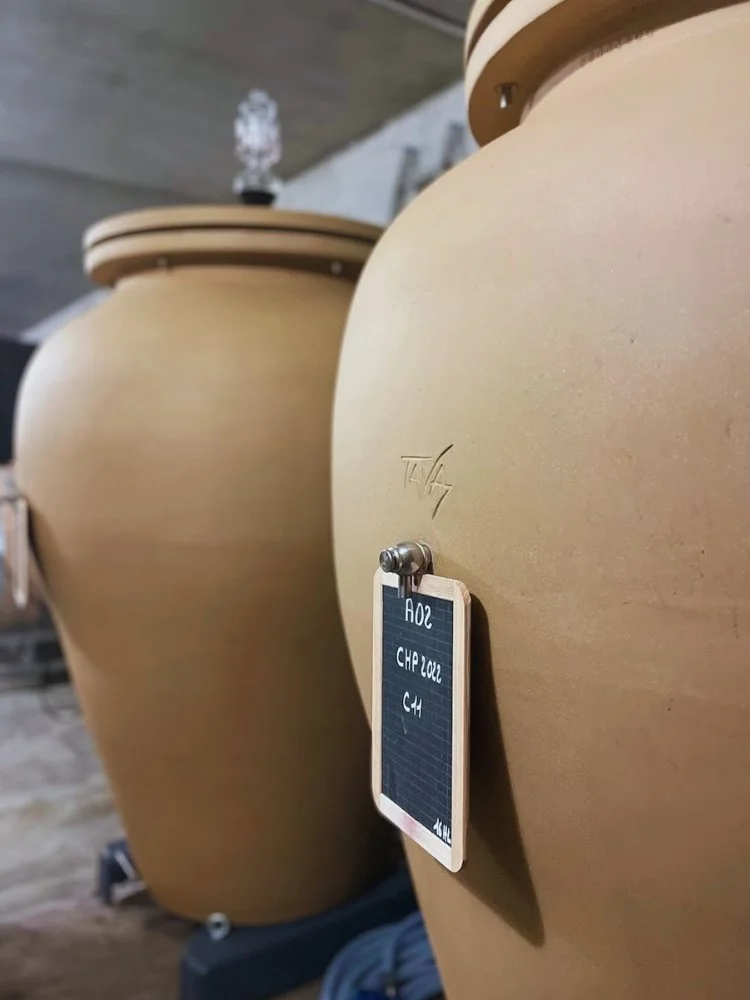
In the cellar, precision and restraint define the approach. Grapes are hand-harvested into small crates, partially destemmed depending on parcel and vintage, and gravity-fed into epoxy-lined concrete vats for native yeast fermentation. Extraction is gentle and controlled. Aging takes place primarily in concrete to preserve purity and structure, while select cuvées—including Les Terres de La Crau from 100-year-old Grenache vines in the famed La Crau lieu-dit—mature in large neutral foudres for up to 18 months. Amphora is now being explored as a complementary vessel, valued for its subtle oxygen exchange and ability to refine tannins without masking terroir. The resulting wines offer depth without heaviness—dark fruit layered with garrigue, spice, mineral tension, and a freshness rarely associated with classic Châteauneuf-du-Pape. It is a style that honors tradition while embracing evolution: not your parents’ Châteauneuf, but a more transparent and finely tuned expression of it.
Clos du Calvaire today represents both lineage and forward momentum—a historic family estate shaping a more balanced future for the appellation.
Cuvées